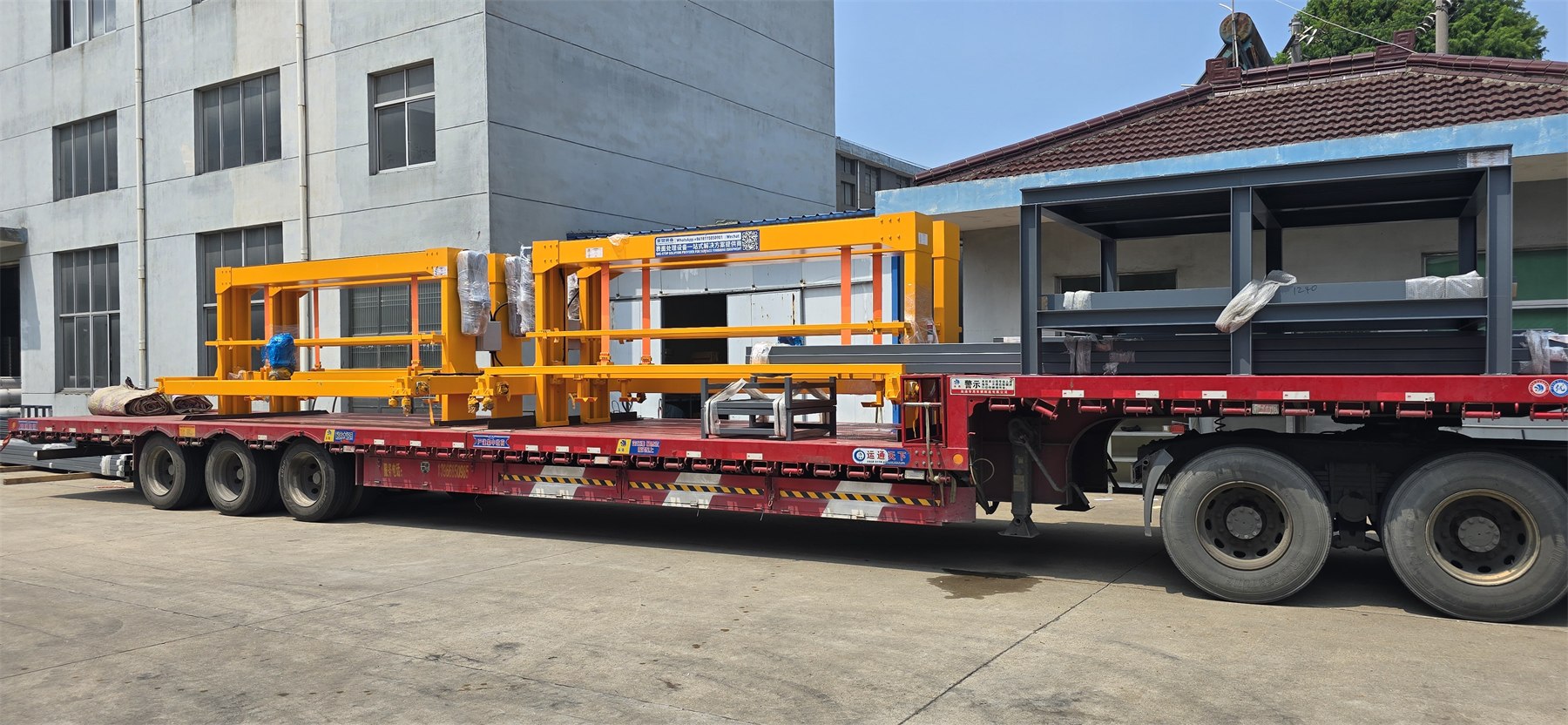
A new electroplating line can be mechanically complete and still lose time during installation because the factory interfaces were left for the last week. Electrical points, process water, cooling, compressed air, exhaust connections, drains, floor space, and service clearance cross several teams. If ownership is not written down, each party may assume that someone else has prepared the tie-in.
The practical pre-installation task is to create an interface responsibility matrix. It is not a factory acceptance test and it is not a ventilation design. It is a controlled list of what the equipment supplier, site owner, electrical contractor, utilities contractor, and installation team must confirm before delivery and positioning.
Map the seven utility interfaces
Begin with the equipment layout and the latest project drawings. For every connection, record the connection point, owner, required information, readiness evidence, isolation method, and date for confirmation. The values should come from the project-specific equipment documents and the site survey; a generic checklist cannot establish a compliant installation by itself.
| Interface | Pre-installation questions | Typical owner to confirm |
|---|---|---|
| Electrical | Where is the incoming point, who provides distribution and protection, and how are isolation and grounding responsibilities recorded? | Site electrical contractor with supplier input. |
| Process water | Which tanks or rinse points need water, where is the inlet, and how are shut-off, drainage, and sampling points arranged? | Site utilities team and process owner. |
| Cooling | Which equipment needs cooling, what connection points are reserved, and who confirms the site loop, valves, and access? | Utilities contractor with supplier input. |
| Compressed air | Which actuators or instruments use air, where is the drop, and who verifies the local isolation and service route? | Site utilities team. |
| Exhaust | Where does the equipment connection end, who designs the downstream system, and how will the actual interface be checked on site? | Site engineer and specialist contractor. |
| Drain | Which drains are required, who confirms routing and containment, and how are access and isolation handled during service? | Process, civil, and utilities teams. |
| Space and service access | Are delivery routes, working clearances, maintenance access, floor support, and adjacent equipment conflicts resolved? | Site owner, installation team, and supplier. |
Use boundary points instead of vague promises
For each utility, draw a clear boundary: for example, a supplier connection flange or terminal point on one side and the site distribution system on the other. The matrix should say who supplies cable, pipe, valve, flexible connection, support, insulation, labels, and final local testing. It should also capture the information needed to close the boundary, such as approved drawings, measured connection locations, isolation access, and the responsible contact.
This approach prevents a common failure mode: an interface is technically present but cannot be used because the isolation valve is inaccessible, the route conflicts with a service door, or the point was placed from an old layout. Confirm the latest revision after the factory floor is measured. Photograph or mark the tie-in points if the project’s document-control process allows it, and record exceptions rather than silently adjusting them during installation.
Confirm readiness in the order the site will need it
Space and access should be checked before transport arrives. Electrical and utility routes should be checked before the equipment is set in its final position. Drains, cooling, water, and air should be checked against the actual connection orientation. Exhaust boundaries should be reviewed with the site’s responsible engineer and specialist contractor; this article does not determine airflow, capture design, or regulatory compliance.
Keep the matrix live through delivery and installation. Mark each line as open, owner confirmed, site ready, or exception requiring a decision. If a utility value or route is still unknown, do not replace it with a guessed standard. Carry it as an explicit assumption and require the responsible project party to close it.
What the supplier discussion should contain
- A current general arrangement showing connection points and service clearances.
- A utility schedule that identifies assumptions and items requiring site confirmation.
- A responsibility matrix with named owners, evidence, revision date, and open actions.
- A site walk-down record that checks delivery route, floor support, access, and adjacent interfaces.
- A change log for any connection moved after the layout or civil work was approved.
Before shipment, use the connection schedule to coordinate the buyer, supplier, site contractor, and specialist engineers. Raymond (Changzhou) Equipment Co., Ltd. can review the project context through its equipment solutions and copper plating line pages, while each responsible party must confirm its own tie-ins and local requirements. A ready-looking checklist is not the same as a completed site verification, and no utility article can by itself certify compliance.