Conductivity Monitoring in Electroplating Rinse Stages
2026-09-23
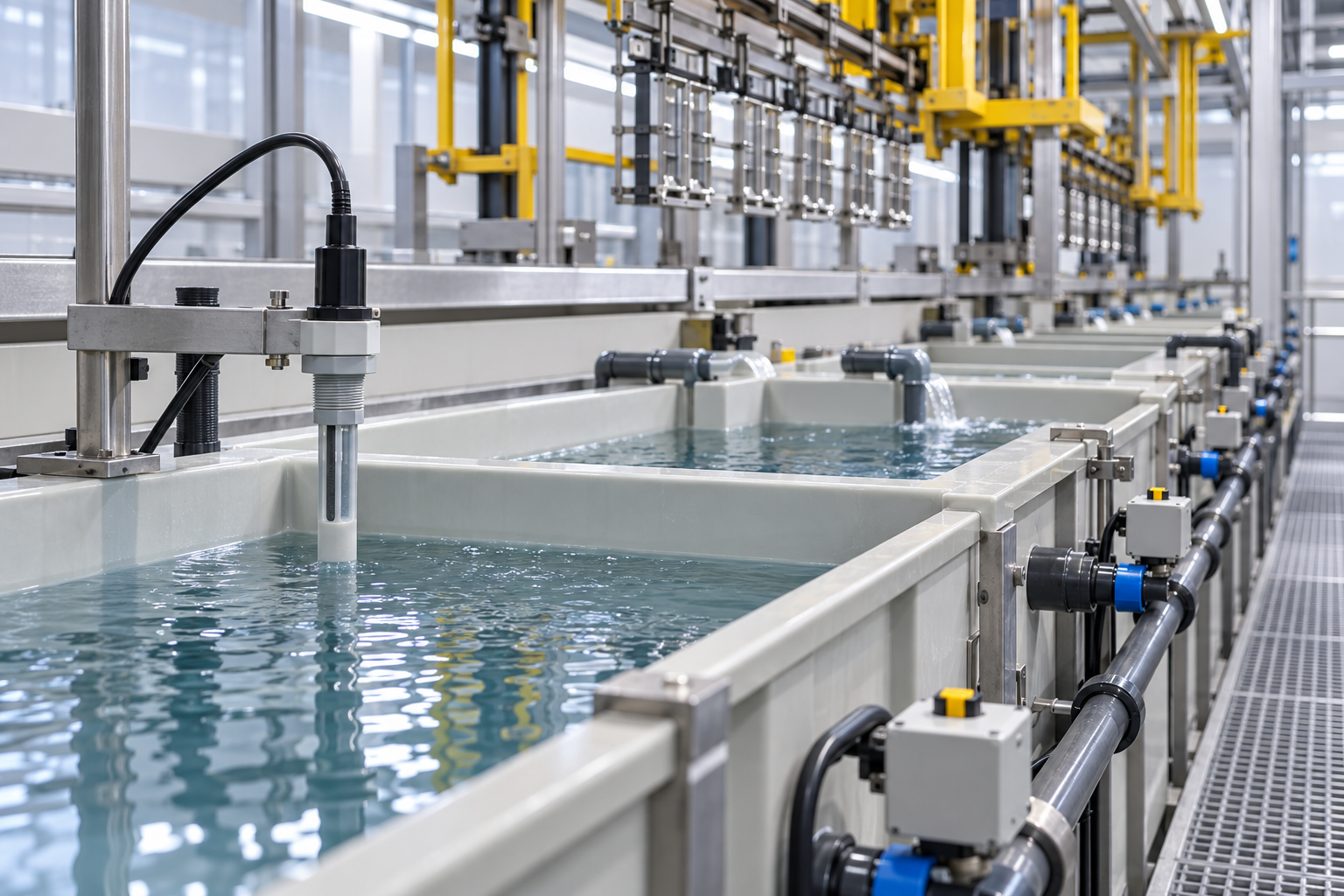
Conductivity Monitoring in Electroplating Rinse Stages is not a one-variable purchasing decision. In automatic electroplating and surface-treatment production lines, material choice, equipment settings, operating conditions and downstream construction interact. A specification that lists only a product name or one headline value can leave important risks unresolved. This guide organizes the questions that buyers, engineers and suppliers should review before approving a trial or production order.
The aim is not to prescribe one universal design. Different applications can justify different limits, and final performance often depends on the complete system. Use the following framework to define service conditions, request comparable evidence and validate a representative finished article. Do not treat general guidance as a substitute for project-specific engineering, safety or regulatory review.
Define What Conductivity Can Tell You
Conductivity indicates total ionic content but does not identify individual contaminants or directly prove product cleanliness. For project teams, this point should be converted into a written requirement rather than left as an informal expectation. Consider normal production, startup, shutdown, cleaning, storage and foreseeable upset conditions, because the most demanding combination may not appear during a short demonstration.
Use it as a control signal tied to a defined rinse objective and supplement it where specific chemistry matters. Ask the supplier to state the method, sample preparation, tolerance, inspection frequency and action taken when a result drifts. When finished-system performance is involved, confirm it with a representative production trial and keep the approved sample and records for later lot comparison.
Choose the Right Measurement Point
A sensor near fresh-water inlet or in a stagnant corner may not represent solution carried to the next process stage. The practical risk is that a single laboratory value may not represent production variation, installation details or real operating conditions. Consider normal production, startup, shutdown, cleaning, storage and foreseeable upset conditions, because the most demanding combination may not appear during a short demonstration.
Review mixing, overflow, part path and sampling position, then compare online readings with periodic manual checks. Ask the supplier to state the method, sample preparation, tolerance, inspection frequency and action taken when a result drifts. When finished-system performance is involved, confirm it with a representative production trial and keep the approved sample and records for later lot comparison.
Handle Temperature and Fouling
Conductivity changes with temperature, and deposits or gas bubbles can distort readings over time. A useful specification connects the intended service condition to evidence that both buyer and supplier can review consistently. Consider normal production, startup, shutdown, cleaning, storage and foreseeable upset conditions, because the most demanding combination may not appear during a short demonstration.
Use suitable compensation, installation orientation, cleaning access and calibration checks for the bath environment. Ask the supplier to state the method, sample preparation, tolerance, inspection frequency and action taken when a result drifts. When finished-system performance is involved, confirm it with a representative production trial and keep the approved sample and records for later lot comparison.
Connect the Signal to Flow Control
Automatic makeup water can reduce waste only when valve response, tank volume and process delay are understood. This is also a communication issue: design, purchasing, production and maintenance teams should use the same definitions. Consider normal production, startup, shutdown, cleaning, storage and foreseeable upset conditions, because the most demanding combination may not appear during a short demonstration.
Set practical control bands and fail-safe behavior, and prevent one faulty sensor from driving uncontrolled water use. Ask the supplier to state the method, sample preparation, tolerance, inspection frequency and action taken when a result drifts. When finished-system performance is involved, confirm it with a representative production trial and keep the approved sample and records for later lot comparison.
Use Trends for Process Improvement
Long-term conductivity trends can reveal drag-out changes, abnormal loads or maintenance effects that single readings miss. For project teams, this point should be converted into a written requirement rather than left as an informal expectation. Consider normal production, startup, shutdown, cleaning, storage and foreseeable upset conditions, because the most demanding combination may not appear during a short demonstration.
Compare trends with production mix, rack drainage and water flow before changing setpoints or reuse strategy. Ask the supplier to state the method, sample preparation, tolerance, inspection frequency and action taken when a result drifts. When finished-system performance is involved, confirm it with a representative production trial and keep the approved sample and records for later lot comparison.
Building a Reliable Procurement Brief
A good procurement brief for automatic electroplating and surface-treatment production lines should identify the application, operating envelope, interfaces, required evidence and acceptance process. It should also separate mandatory criteria from preferences. This makes supplier responses easier to compare and prevents an attractive but incomplete data sheet from becoming the only basis for a technical decision.
Before release, review the brief with the people who will process, install, operate and maintain the product or equipment. Resolve ambiguous terms, name the reference standards and agree how deviations will be handled. A small, well-documented trial usually provides more useful evidence than a large order based on assumptions.
Conclusion
Leimeng Plating Equipment recommends matching specifications to the real application and confirming critical points through representative samples or trials. Buyers should evaluate complete-system behavior, process consistency, traceability and maintainability alongside nominal specifications. This disciplined approach supports clearer quotations, smoother approvals and fewer surprises during production or operation without relying on unsupported performance claims.